
Answering Your Frequently Asked Questions
Summit FAQs
The summit is designed for professionals developing regulatory T-cell therapies, immune tolerance therapeutics, and autoimmune disease treatments. This includes scientists working in discovery, translational research, clinical development, regulatory affairs, manufacturing, biomarker research, and commercialization.
Attendees typically represent biotech, pharma, academia, and investment groups developing polyclonal Tregs, engineered Tregs, CAR-Tregs, TCR-Tregs, and Treg-modulating therapies.
Unlike broad broader society meetings, the Treg-Directed Therapies Summit focuses exclusively on therapeutics that modulate the activity of regulatory t-cells both directly and indirectly.
The agenda dives deeply into topics such as Treg persistence, FOXP3 stability, biomarkers, immune monitoring, potency assays, manufacturing, clinical differentiation, and commercialization, creating a focused forum for the Treg community
Registration can be completed through the summit website here. Attendees can choose from the available pass options and will receive confirmation and event details following registration. For group bookings or registration questions, attendees can get in touch here.
Yes, additional team discounts are offered for organizations sending multiple attendees, making it easier for cross-functional teams to participate together.
Group Discount Breakdown:
- 2 Attendees = 10% Discount
- 3 Attendees = 15% Discount
- 4+ Attendees = 20% Discount
Yes. The summit includes opportunities for researchers and developers to present scientific posters and share emerging findings with the treg-directed therapies community.
Poster presentations provide an opportunity to showcase novel research, discuss emerging data with peers, and receive feedback from experts working across treg therapies, autoimmune disease therapeutics, and translational immunology.
Abstract submissions are reviewed prior to acceptance, and details regarding submission requirements are available here.
World Immune Tolerance Week brings together leaders developing therapies designed to restore immune tolerance across autoimmune disease, transplantation, and inflammatory disorders.
The 9th Treg-Directed Therapies Summit is co-located with the 10th Antigen-Specific Immune Tolerance Summit and the 2nd Immune Resetting: B-Cell Mediated & Beyond Summit, giving attendees a broader perspective on emerging immune tolerance strategies.
Industry FAQs
Durability is becoming a key measure of success in Treg development. Developers are increasingly assessing Treg persistence, stability, biomarker changes, and long-term disease control alongside conventional clinical endpoints. As more clinical data emerge, demonstrating sustained immune tolerance may become an important differentiator between programs.
One of the biggest challenges is translating promising biology into consistent patient outcomes. Questions around patient selection, biomarker validation, endpoint selection, and disease heterogeneity continue to shape clinical trial design. Many companies are focused on identifying the disease settings where Treg therapies can deliver a clear clinical advantage.
Engineered Tregs are designed to improve specificity and control. CAR-Tregs and TCR-Tregs can be directed toward particular tissues or antigens, which may enhance therapeutic activity.
Developers are also investigating approaches that improve persistence, stability, trafficking, and functional potency.
Biomarkers are becoming increasingly important as Treg programs advance through clinical development. They can help identify suitable patients, measure biological activity, and better understand treatment responses.
Many organizations are working to establish biomarkers that support clinical decision-making and strengthen evidence of mechanism.
Regulators assess Treg therapies using many of the same principles applied to other advanced therapies, while accounting for the unique characteristics of living cell products. Key areas of focus include product consistency, potency testing, manufacturing controls, long-term safety, and evidence supporting biological activity.
Interest in CAR-Tregs and TCR-Tregs is largely driven by the potential for greater precision. These approaches are designed to direct regulatory activity toward specific tissues, immune responses, or disease-associated targets. This level of targeting could help improve efficacy and broaden the application of Treg therapies across autoimmune and inflammatory diseases.
Manufacturing remains a critical focus as programs move toward larger trials and commercialization. Developers must preserve cell identity, function, and consistency while building scalable processes. Many organizations are investing in process optimization, analytical characterization, automation, and robust release testing to support future growth.
Commercial success is likely to depend on demonstrating durable clinical benefit, manageable manufacturing costs, and a differentiated profile versus existing treatments. Companies that can combine strong clinical data with scalable manufacturing and a clear value proposition may be best positioned as the field matures.

Explore the Agenda
Benchmark emerging clinical data and discover the strategies driving the next generation of Treg therapies.
Partner With Us
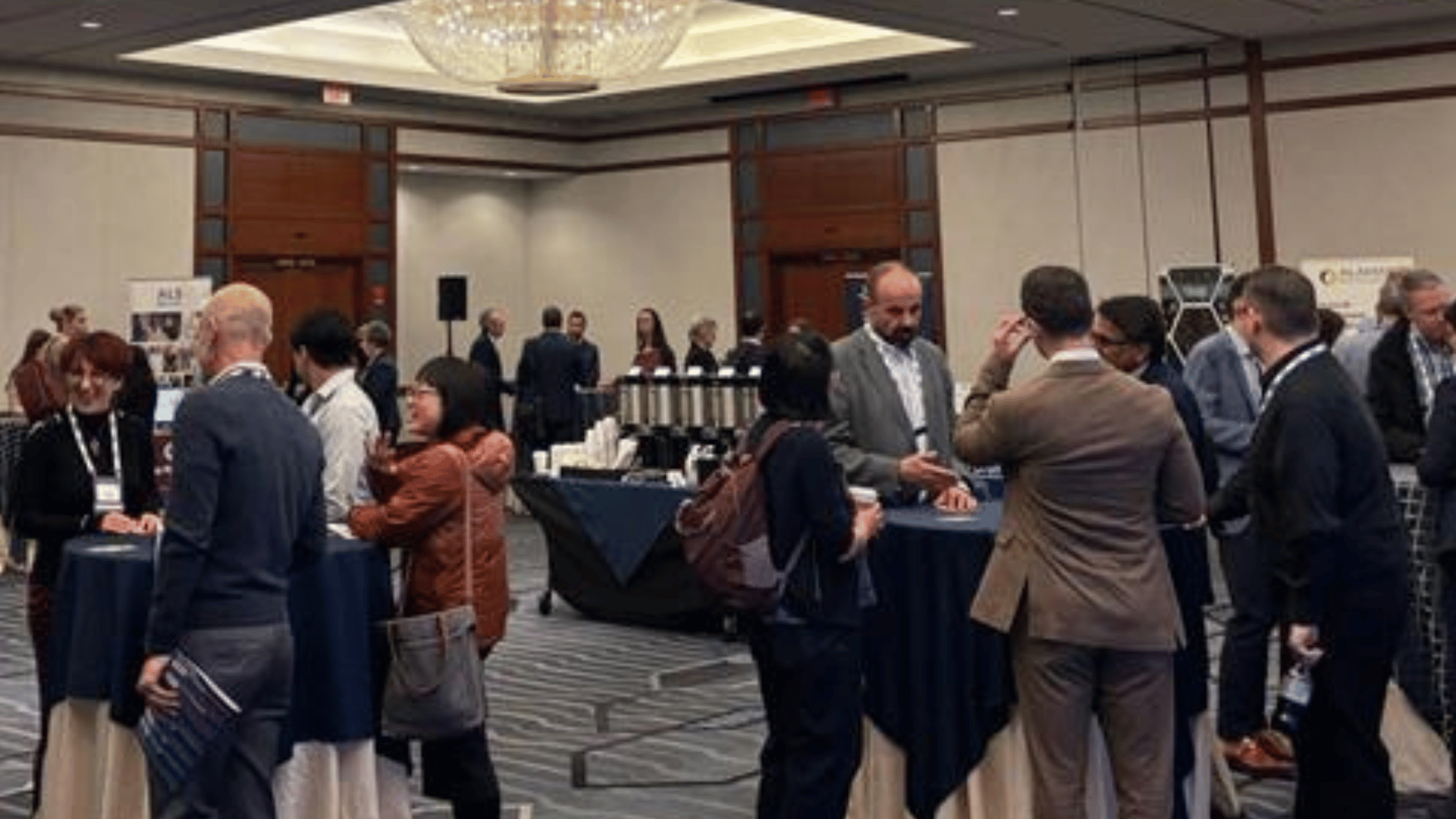
Connect with the companies shaping immune tolerance and position your brand at the center of this growing market.
Join Biopharma Experts
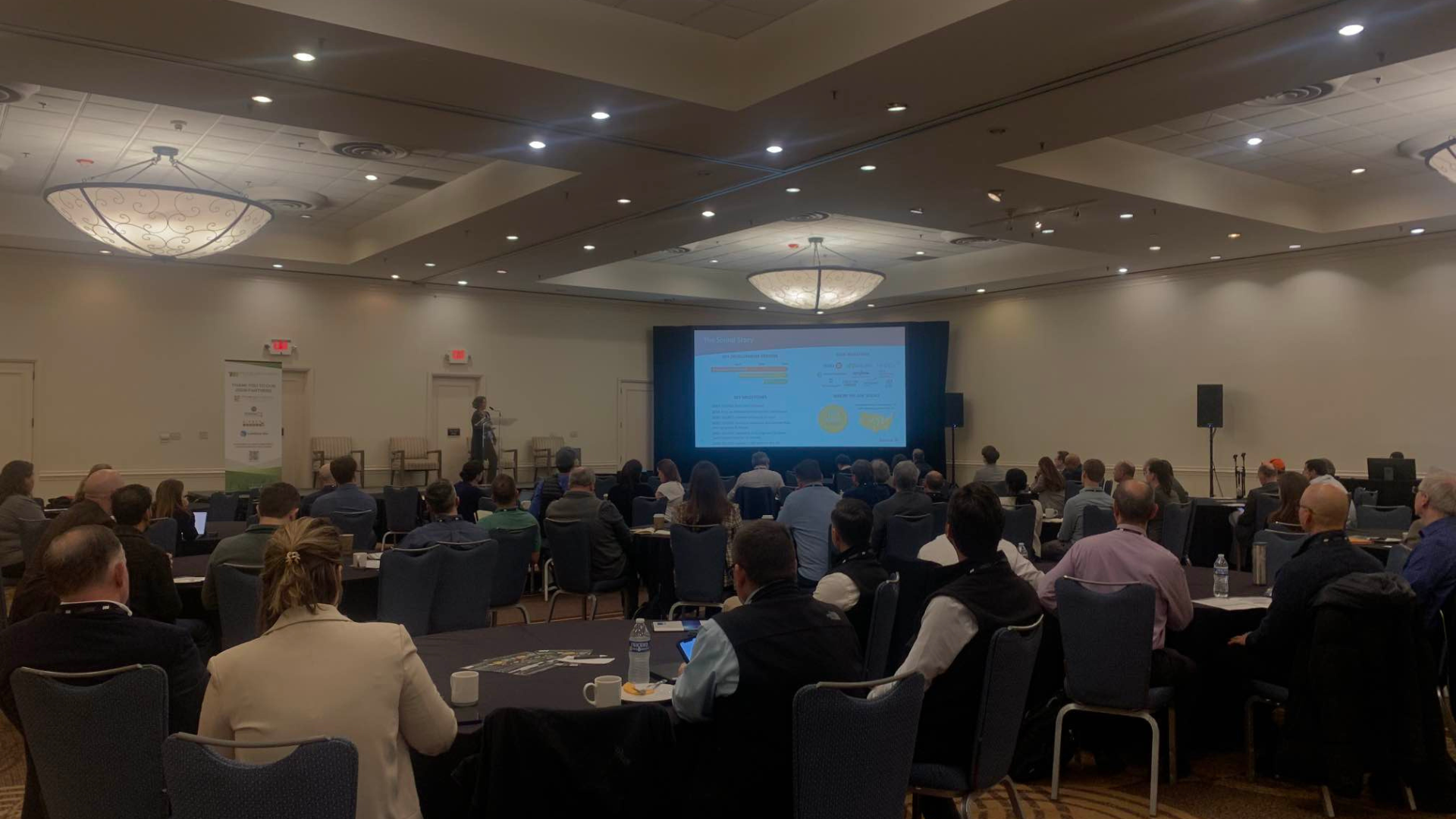
Network with biotech, pharma, academia, and investors advancing Treg therapies towards commercial success.